

Cyprus property professionals examine changing market conditions during a real estate summit strategically today. Current industry discussions increasingly connect investment, regulation, technology, development, and international demand across Cyprus. Market participants also monitor different property categories because performance varies between locations considerably. Recent market data highlights residential strength while commercial segments show more selective movements.
Understanding Current Property Market Conditions
Cyprus property professionals assess market conditions before planning development strategies carefully today. Recent data shows continued resilience across several districts and property categories nationally. Apartments remained the strongest-performing category during the second quarter of 2026 overall. Larnaca recorded particularly strong apartment performance during this period across Cyprus today.
Housing values also increased particularly across Larnaca and Paphos during this period. Offices recorded moderate increases while warehouses continued their positive performance across markets. Retail properties showed weaker performance compared with other commercial property categories nationally. These differences encourage professionals to examine individual sectors rather than markets broadly.
Rental values also maintained upward movements across several property categories during 2026. Apartments recorded the strongest annual rental increases during the latest reporting period. Holiday properties also performed positively alongside continuing tourism-related market demand across Cyprus. Professionals therefore examine pricing, rentals, tourism, and demand together before decisions.
Regulation and Compliance Challenges
Property regulations remain important because compliance requirements influence transactions and development projects. Professionals examine regulatory standards before recommending property strategies to clients today. Legal requirements can affect purchasing processes, development approvals, and transaction structures significantly. Understanding these requirements helps participants identify potential issues before committing resources.
Tax considerations also influence property companies, investors, and development decisions across Cyprus. Recent industry programmes specifically address the impact of tax reform on companies. Professionals therefore monitor legislative developments before evaluating property transactions carefully today. Specialist advice can help stakeholders understand changing obligations and potential financial effects.
International investors also require clear information about ownership and investment structures. Professionals explain regulatory requirements before international buyers proceed with property investments carefully. High-net-worth investors may require additional structuring support when entering Cyprus markets. These discussions help participants understand compliance responsibilities before completing transactions successfully.
International Investment and Buyer Demand
International buyers continue influencing Cyprus property discussions through investment and purchasing activity. Overseas investment enquiries increased during the second quarter after softer first-quarter activity. Professionals therefore examine international demand when assessing future market opportunities carefully. Buyer expectations can differ according to nationality, investment purpose, and property category.
Market participants also consider Cyprus as an international property investment destination. Industry discussions examine how professionals can present Cyprus opportunities to overseas investors. Strong communication helps developers explain locations, projects, returns, and market conditions clearly. International engagement therefore requires informed strategies supported by accurate market information consistently.
American buyers also represent an emerging discussion area within Cyprus property. Industry programmes examine what Cyprus real estate needs for the American market. Professionals explore buyer expectations before adapting marketing and sales strategies accordingly. Such discussions can support stronger international positioning for Cyprus property businesses.
Development Costs and Property Values

Construction costs remain important because rising expenses can influence development feasibility directly. Developers assess material, labour, financing, and regulatory costs before launching projects carefully. Higher expenses can change pricing strategies and expected development returns significantly. Professionals therefore compare project costs against market demand before investing resources.
Property value also depends on location, design, quality, and buyer expectations. Developers increasingly examine value creation rather than relying solely upon pricing. Industry programmes discuss rising costs alongside opportunities for increasing property value. These conversations encourage developers to connect construction decisions with buyer expectations strategically.
Natural materials can also influence perceived quality within premium property developments. Designers and developers examine materials before positioning projects within competitive markets carefully. Stone, finishes, energy features, and layouts can influence purchaser perceptions considerably. Successful projects therefore combine construction quality with clear market positioning strategies.
Technology and Artificial Intelligence
Technology is changing how property professionals communicate with buyers and manage opportunities. Artificial intelligence increasingly supports customer communication, sales processes, and operational workflows. Industry programmes now include dedicated discussions about artificial intelligence applications in property. Professionals can examine technology adoption before changing established business processes strategically.
Customer relationship management systems also remain important for property sales teams. AI copilots can support professionals managing conversations, enquiries, and follow-up activities. Automated tools may improve responsiveness while reducing repetitive administrative work significantly. Businesses still require appropriate processes before introducing new technologies successfully today.
Digital communication also influences how buyers discover and evaluate properties. Professionals increasingly use online channels to communicate with international prospects efficiently. Technology can support faster responses while improving information accessibility for buyers. However, human expertise remains important when transactions involve complex property decisions.
Property Sales and Market Positioning
Property sales depend upon communication, trust, timing, and accurate market knowledge. Agents evaluate buyer requirements before recommending suitable properties carefully today. Developers also refine sales approaches when market conditions change across locations. Understanding buyer behaviour can therefore improve communication and project positioning considerably.
Reputation has become another important consideration within property transactions and marketing. Professionals build trust before buyers evaluate credentials, projects, and transaction details. Strong reputations can support relationships with investors and international buyers effectively. Businesses therefore protect credibility while communicating property opportunities across competitive markets.
Sales conversations also increasingly involve digital communication and faster response expectations. Agents respond to enquiries before prospects lose interest during competitive searches. Technology can support conversations while professionals maintain personalised communication throughout transactions. Combining efficient tools with human interaction can strengthen sales processes significantly.
Regional Opportunities Across Cyprus
Different Cyprus locations present different property opportunities for developers and investors. Larnaca currently receives attention because several property categories show positive performance. Paphos also demonstrates residential strength alongside positive warehouse and holiday-property movements. Professionals therefore compare locations before selecting appropriate investment strategies carefully today.
Larnaca also features prominently within current industry discussions about future opportunities. A dedicated programme session examines Larnaca’s potential through the 2031 perspective. Such discussions connect infrastructure, investment, development, and regional positioning considerations strategically. Investors can therefore examine local opportunities alongside broader market developments carefully.
Paphos and Limassol also remain important locations within Cyprus property conversations. Regional differences require professionals to understand local demand before recommending investments carefully. Market data can support comparisons between residential and commercial opportunities across districts. Location-specific research therefore remains essential for informed property decisions throughout Cyprus.
Networking, Knowledge and Industry Collaboration
Industry events create opportunities for professionals to exchange information and perspectives. Developers connect with investors while agents build relationships with decision-makers directly. Architects, legal experts, and property specialists can share practical knowledge across sectors. These connections can support collaboration beyond individual event sessions and meetings.
Cyprus Property Week brings together developers, investors, agents, architects, and legal experts. Its programme combines market insight, investment discussions, technology sessions, and networking opportunities. The 2026 programme includes events across Larnaca, Paphos, and Limassol. Professionals can therefore engage with different regional perspectives throughout the programme.
The event schedule also reflects several issues shaping Cyprus property today. Sessions address regulations, investment structures, international markets, technology, sales, and tax reform. Participants can review the Cyprus Property Week schedule before planning attendance. The Cyprus Property Week About Us page also explains its professional networking focus.
Preparing for Future Property Industry Changes
Future property strategies require professionals to monitor economic and market developments continuously. Changing regulations can affect development planning, taxation, and transaction processes significantly. Technology adoption may also reshape sales, marketing, communication, and property management. Professionals therefore need flexible strategies that respond to changing conditions effectively.
Sustainability and changing buyer expectations may increasingly influence property development decisions. Developers examine project quality before responding to evolving purchaser requirements carefully. International investors also consider location, infrastructure, market conditions, and long-term opportunities. These factors encourage broader analysis before selecting suitable property investments strategically.
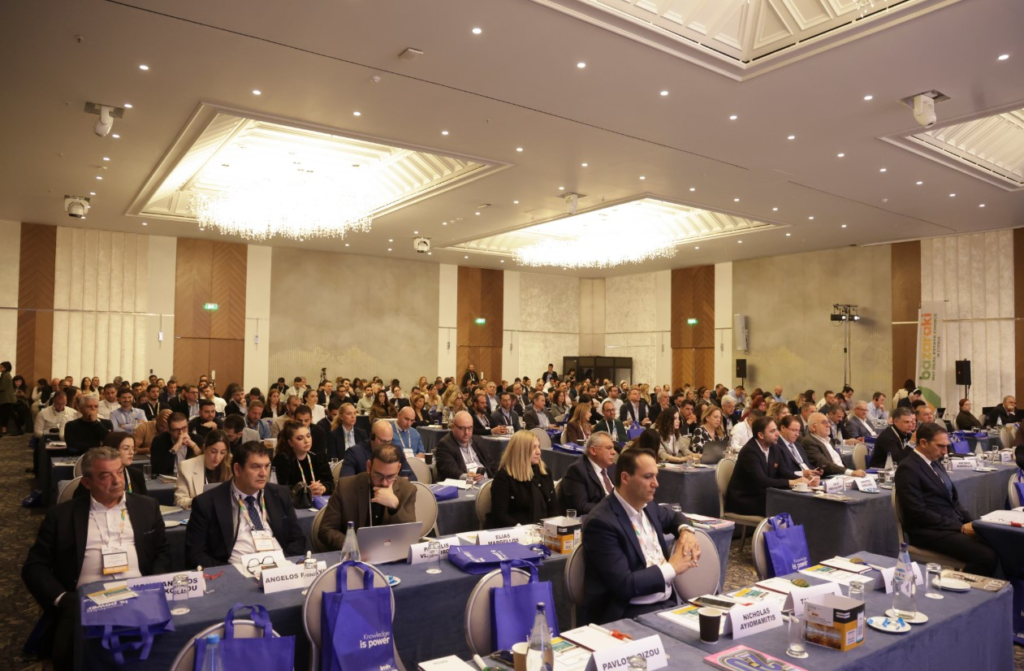
A well-planned industry event can help professionals understand these developments collectively. Participants compare market information while discussing challenges with experienced industry stakeholders. They can also identify emerging opportunities through direct professional conversations. A focused real estate summit can therefore support informed industry engagement effectively.
FAQs About Property Industry Summits in Cyprus
What does a real estate summit discuss?
Professionals discuss property markets, regulations, investment, technology, sales, and development opportunities strategically today.
Who should attend property industry events in Cyprus?
Developers, investors, agents, architects, lawyers, and international buyers can attend relevant industry events.
Why does Cyprus property market data matter?
Professionals examine market data before evaluating investment opportunities and development strategies carefully.
Which Cyprus locations currently receive property market attention?
Larnaca and Paphos currently show notable movements across several property categories during 2026.
How can professionals prepare for property industry changes?
Professionals monitor regulations, technology, market data, and international demand before making decisions.
Conclusion
Cyprus property professionals monitor regulations, investment, technology, and market conditions carefully today. Recent data shows resilience alongside meaningful differences between property categories and locations. International demand also remains important for developers, agents, and investment professionals. A real estate summit can connect these issues through focused industry discussions.
Cyprus Property Week provides opportunities for professionals to examine market developments and connections. Its 2026 programme covers Larnaca, Paphos, and Limassol across scheduled conference dates. Participants can explore current challenges while building relationships across Cyprus property markets. Professionals can visit Cyprus Property Week to explore upcoming industry opportunities.