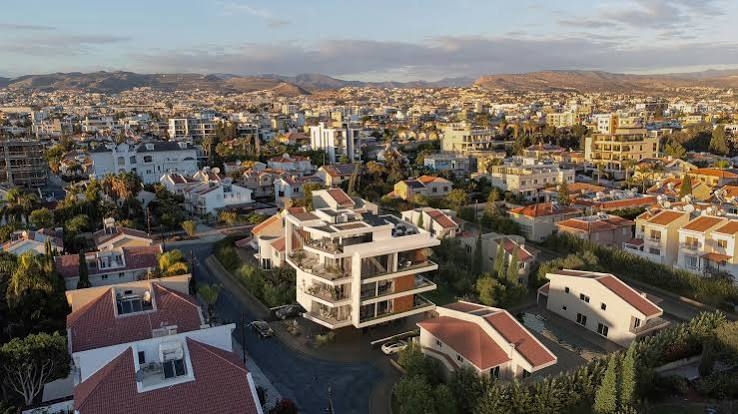
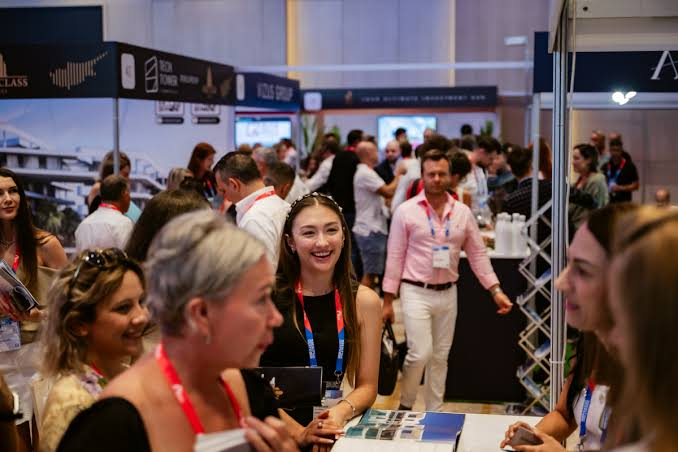
A real estate expo gives property buyers, investors, developers and professionals a focused environment for exploring the Cyprus property market. Visitors can meet developers, compare projects, discuss market conditions and build useful professional relationships during one organised event. In Cyprus, there is an ongoing activity in the residential properties segment, as shown by the 3.4% yearly growth in the House Price Index in the first quarter of 2026 by the Statistical Service. The active market is important to make property events highly beneficial to those interested in face-to-face discussions combined with Internet searches. The successful visit depends on the visitor’s clear goals, proper preparations, and follow-up actions. This guide outlines how the visitors can take advantage of the property events.
Why a Real Estate Expo Can Create More Value
A real estate expo brings multiple property businesses together within one physical environment efficiently. Potential customers can interact with developers, estate agents, architects, lawyers and any other experts in real estate at the same event. Such interaction could help to find answers to some questions, which might be stated in the online real estate listings, but in an inadequate manner. The buyer can address the developer with all questions regarding construction, specifications, deadlines and available types of properties.
Property events also allow visitors to compare different projects more efficiently.The buyer will have an opportunity to visit many developments at once, instead of making individual appointments over several days. The investor will have the chance to evaluate the pros and cons of locations like Limassol, Larnaca and Paphos through direct discussions with various exhibitors. Networking opportunities will provide professionals with the chance to find new suppliers, referral sources and other business connections.
The Cyprus Property Week uses this approach by facilitating networking between developers, investors, brokers, architects and legal advisors via its 2026 program. The event dates for 2026 will be 9 September for Larnaca, 31 October for Paphos and 26 November for Limassol. Visitors can therefore use different event locations to explore regional property activity and professional connections across the island.
Preparing Before the Property Event
Visitors should define their objectives before entering an exhibition venue carefully. Buyers should identify preferred property types, locations and approximate budgets before starting conversations. Investors should prepare questions about rental demand, development quality, financing and potential ownership costs. Agents should identify developers, service providers and professionals who could strengthen their existing business networks. Clear objectives help visitors spend limited event time more productively.
Visitors should research participating companies before attending the event professionally. Company websites can reveal development portfolios, project locations and business specialisations before face-to-face discussions begin. Buyers can prepare specific questions after reviewing available property information online. Investors can identify developments that require deeper financial or legal investigation during the event. Professionals can select meetings that support their current business priorities more effectively.
Attendees should prepare practical materials before travelling to the venue. Buyers should carry identification, basic financial information and notes about preferred properties when appropriate. Agents should prepare business cards, company profiles and concise descriptions of their services for networking conversations. International visitors should prepare questions about purchasing procedures, legal requirements and local professional services before arriving. Good preparation helps each conversation produce clearer information.
Using Exhibitor Conversations More Effectively
Visitors should ask specific questions during exhibitor meetings consistently. Buyers should ask developers about property specifications, construction progress, completion expectations and service charges directly. Investors should ask about local demand, property management arrangements and development characteristics carefully. Professionals should ask exhibitors about partnership opportunities, referral structures and future projects strategically. Specific questions usually produce more useful conversations than general requests for information.
Visitors should record important information during property discussions systematically. Buyers can note project names, unit types, locations and contact details during each conversation. Investors can record questions requiring independent verification after the event. Agents can record contact details alongside the business purpose of each relationship. Simple notes can prevent information from becoming confused after several meetings.
Visitors should also distinguish marketing information from independently verified information carefully. Developers present project advantages during exhibitions as part of normal commercial communication. Buyers should verify planning information, ownership arrangements and contractual details through appropriate professionals before making commitments. Investors should examine financial assumptions independently before relying on projected returns. Event conversations should therefore support research rather than replace proper due diligence.
Comparing Cyprus Property Locations
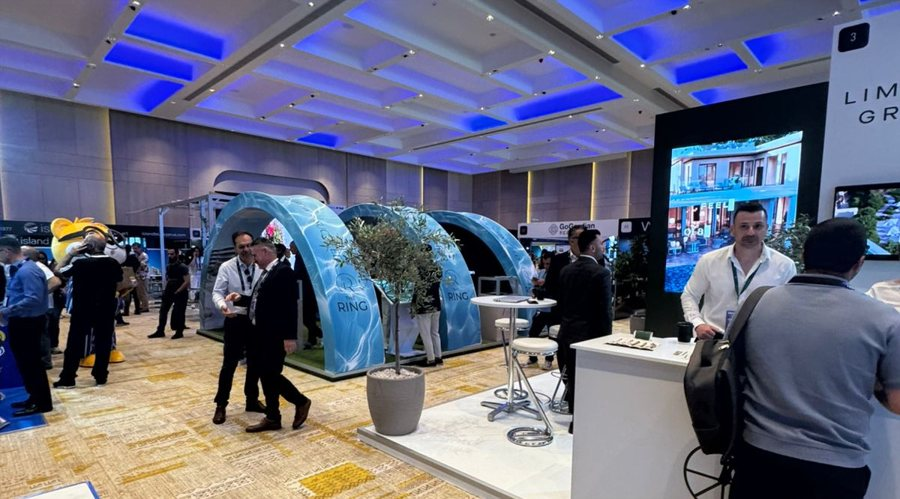
Investors should compare Cyprus locations according to their specific objectives carefully. Limassol provides a large-scale urban and business environment with considerable residential and business development taking place. Paphos appeals to those people who are lifestyle-oriented due to its coastal location and economy that revolves around tourism. Larnaca is blessed with an international airport as well as coastal villages. Each location therefore requires separate consideration rather than one general Cyprus property assessment.
Buyers should compare property characteristics within each location carefully. A Limassol apartment near a business district can serve different purposes from a coastal holiday property in Paphos. A Larnaca development can appeal to buyers seeking airport access and urban convenience. A property in Protaras or Ayia Napa can serve different lifestyle or seasonal demand requirements. Visitors should connect property characteristics with their intended use before comparing prices alone.
Exhibitors can provide useful local context during these comparisons directly. Agents can explain neighbourhood characteristics that online property portals may not describe fully. Developers can explain planned infrastructure and project-specific features during direct meetings. Local professionals can also identify practical considerations involving transport, services and community facilities. Visitors should combine these conversations with independent market research before making decisions.
Building Better Professional Connections
Property professionals should treat networking as a business activity rather than casual conversation. Agents can introduce their services clearly before discussing potential collaboration with developers. Developers can explain their project requirements before seeking suitable professional partners. Consultants can describe their specialist services before exchanging contact information with potential clients. Clear introductions help both parties understand the commercial purpose of each conversation.
Professionals should ask useful follow-up questions during networking discussions. Agents can ask developers about upcoming launches and preferred sales channels. Marketing specialists can ask property companies about current promotional priorities. Legal professionals can discuss areas of property activity that require specialist support. These questions can transform brief introductions into more meaningful professional discussions.
Visitors should organise contacts immediately after important meetings. Professionals can classify contacts according to development, agency, legal, finance or service requirements after each conversation. Buyers can separate immediate property enquiries from longer-term market contacts. Investors can identify professionals who may support future research or transaction processes. A simple contact system can make post-event follow-up considerably more efficient.
Turning Event Information into Action
Visitors should review their event notes shortly after returning home. Buyers should identify properties that require additional documentation or private viewings. Investors should separate attractive concepts from opportunities requiring further research. Professionals should identify contacts requiring immediate follow-up and contacts suitable for longer-term networking. A quick review can preserve important details while conversations remain fresh.
Attendees should follow up with relevant contacts through personalised communication. Buyers should reference the specific property or discussion that created their interest. Agents should mention the business opportunity discussed during the event directly. Developers should provide requested information without sending excessive generic material. Personalised follow-up shows attention and creates a clearer reason for continuing the conversation.
Visitors should create a short action plan after completing their event review. Buyers can arrange property viewings, request documents or consult professional advisers. Investors can compare selected opportunities against defined criteria and available market information. Agents can schedule calls with potential partners and introduce suitable contacts internally. A structured action plan converts event attendance into measurable next steps.
Getting More Value from Industry Knowledge
Attendees should use seminars and presentations as research opportunities during property events. Speakers can explain market trends, regulatory developments, technology changes and business practices through focused sessions. Visitors can compare speaker comments with their own market observations during the event. Professionals can also identify topics that require deeper research after returning to their offices.
Cyprus Property Week includes presentations and panel discussions covering areas such as property regulations, international buyers, market development, technology and tax issues. Its 2026 schedule includes sessions on the future of the Cyprus property market and the impact of tax reform for property companies. These sessions can help professionals connect broader market discussions with practical business questions. Visitors should still verify legal, tax and financial information through qualified advisers before making important decisions.
Attendees should also use networking breaks strategically during conference programmes. Short conversations can introduce visitors to professionals they may not meet during formal sessions. Speakers can sometimes provide additional context after presentations when schedules allow. Exhibitors can also explain practical project information during quieter periods. Visitors should therefore treat the full event programme as a networking opportunity rather than focusing only on exhibition stands.
Avoiding Common Property Event Mistakes
Visitors should avoid entering an exhibition without a clear purpose. Unplanned conversations can consume substantial time without producing useful information. Buyers should establish basic property requirements before visiting multiple stands. Investors should identify the information needed for their research before beginning conversations. Professionals should determine which relationships could support their current commercial objectives.
Attendees should avoid making immediate decisions based only on exhibition presentations. Developers and agents naturally present their properties in a commercially positive manner during events. Buyers should examine contracts, ownership information, planning documentation and professional advice before committing funds. Investors should also distinguish asking prices from independently assessed market values. Careful verification protects visitors from confusing promotional information with confirmed facts.
Visitors should also avoid collecting contacts without a follow-up process. Large exhibitions can produce many business cards, digital contacts and property brochures within a few hours. Unorganised information can become difficult to evaluate after the event ends. Professionals should record useful context beside each contact instead of saving names without explanation. A smaller collection of relevant contacts can support more productive follow-up.
Making the Next Property Event More Productive
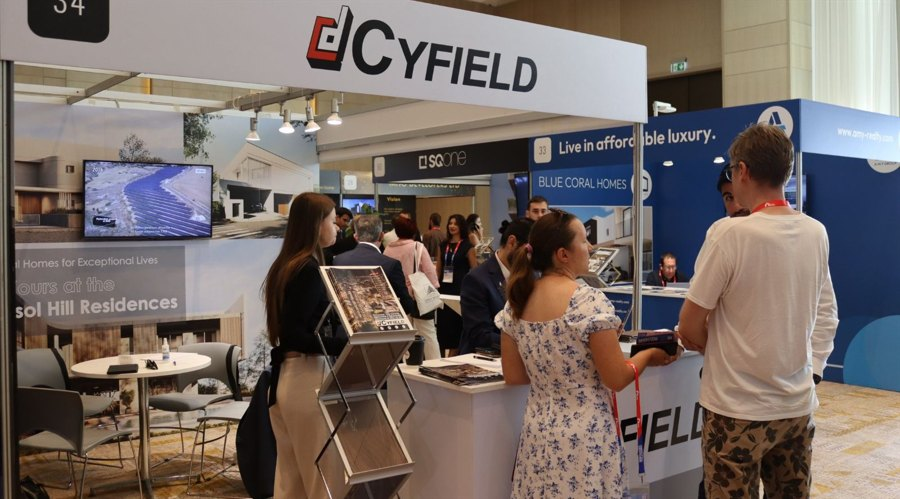
Visitors should evaluate their event experience after completing their follow-up actions. Buyers should identify which conversations improved their understanding of available properties. Investors should identify which presentations improved their market research process. Professionals should identify which introductions created genuine commercial potential. This review can improve preparation for future exhibitions.
Businesses should also measure event performance through practical outcomes. Developers can track qualified enquiries, meetings and subsequent property discussions after each event. Agents can monitor new relationships, referrals and project introductions generated through networking. Service providers can measure consultation requests and professional partnerships created through attendance. Simple measurements can show whether future event participation deserves additional planning.
Attendees should maintain relationships between major property events consistently. Professionals can share useful market information with selected contacts during the year. Investors can continue conversations with developers after reviewing individual projects. Buyers can remain connected with agents while their property requirements develop. Cyprus Property Week provides a platform for continuing industry connections across scheduled events in Larnaca, Paphos and Limassol.
FAQs About Property Expos in Cyprus
What happens at a real estate expo?
The real estate exhibition allows property developers, property agents, property investors, and other industry professionals to network and engage in exhibitions and presentations.
Who should attend a property expo in Cyprus?
Buyers, investors, developers, realtors, and property services specialists can all be benefited through attending an event. It would also help the international buyers to get in touch with the local experts.
How should buyers prepare for a property expo?
The buyers need to establish their location preferences, the kind of property that they want, and their budget before attending the event.
Can investors find property opportunities at exhibitions?
Investors will be able to identify projects and get information about the market by communicating directly with the developers and agents. The investors must ensure that they carry out due diligence on their own before any financial or contractual decisions.
How can professionals benefit from property networking?
Professionals can identify potential clients, developers, referral sources, and service providers through the networking process. Communication after the event will help develop business connections.
Conclusion
To make a successful real estate expo experience, the participant has to be prepared, have meaningful interactions, make comparisons and follow up. Buyers can utilize the exhibition in comparing different houses and gaining useful information, while the investor may look into market opportunities through conversations within the industry. Cyprus Property Week supports this type of industry engagement by connecting property participants across several Cyprus locations and event dates. Visitors can prepare their objectives, research exhibitors and follow up consistently to gain more practical value from every property event.