Property businesses design exhibition spaces to present their services, projects and professional identity clearly. A booth real estate conference presence gives developers, agents and property companies a direct platform for meeting industry audiences. Exhibitors use these spaces to attract visitors, explain property offerings and create meaningful professional conversations. Cyprus provides a useful setting for exhibition activity because its property market includes local businesses, developers, investors and international buyers. A well-planned booth can help companies communicate their strengths while creating opportunities for networking and follow-up. This article explains practical ways businesses can create an effective exhibition presence at property conferences in Cyprus.
Exhibition Booths Create Immediate Brand Visibility
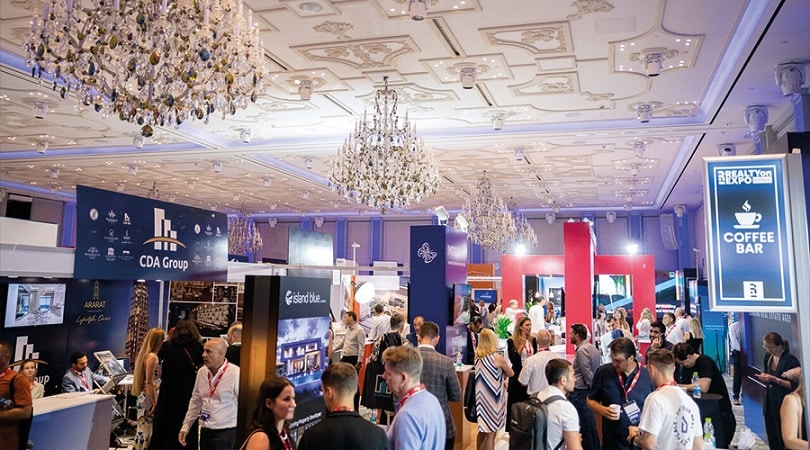
Property companies use exhibition booths to introduce their brands to visitors through a physical professional presence. Developers can display project information while agents can present their property services and market expertise. Businesses can use company names, project images and concise messages to communicate their focus quickly. Visitors can understand an exhibitor’s role before starting a detailed conversation. This initial clarity helps businesses attract visitors who have relevant professional or property interests.
Exhibitors should design booth messages around specific business objectives rather than displaying excessive information. Developers can highlight selected projects, locations and property categories that match their target audiences. Agents can present their market coverage, client services and areas of specialist knowledge clearly. Property service providers can explain the specific problems their services solve for developers, agents or investors. Focused messages help visitors understand the reason for approaching each exhibition stand.
Booth visibility also depends on consistent presentation across physical and digital materials. Companies can use the same branding across banners, brochures, presentation screens and professional profiles. Visitors can recognise the business more easily when different materials communicate the same identity. Staff members can reinforce this identity through clear introductions and consistent professional communication. This approach creates a more organised exhibition experience for potential contacts.
Booth Design Influences Visitor Engagement
Exhibitors design booth layouts to create accessible spaces for professional conversations. Open layouts allow visitors to approach staff without navigating unnecessary barriers or crowded displays. Businesses can position project information at visible points while keeping conversation areas comfortable and practical. Developers can create separate spaces for general introductions and detailed project discussions. This arrangement helps staff manage different types of visitor interactions throughout the event.
Visual information should support conversations rather than replace professional explanations. Companies can use photographs, maps and project diagrams to communicate important property details quickly. Developers can display selected developments while agents can present location-focused property information. Digital screens can show additional project information when visitors request greater detail. These visual tools help staff explain complex property offerings without overwhelming visitors with excessive text.
Lighting, signage and display quality can also influence how visitors perceive an exhibition space. Companies should keep important messages visible and place key information at natural viewing points. Staff members should maintain an organised booth throughout the conference to support a professional appearance. Printed materials should remain accessible without creating clutter around conversation areas. A clean presentation can make professional discussions easier to start and continue.
Cyprus Property Exhibitors Need Local Market Relevance
Property businesses should connect their booth content with relevant Cyprus locations and market segments. Developers can highlight projects in Limassol, Nicosia, Larnaca or Paphos according to their business focus. Agents can explain the locations they cover and the property types they regularly handle. Investors can review information about residential, commercial or coastal opportunities based on their specific requirements. Local relevance helps visitors understand how an exhibitor fits within the Cyprus property market.
International audiences may require additional information about locations, services and purchasing considerations. Exhibitors can explain neighbourhood characteristics, property categories and practical transaction stages clearly. Agents can discuss local market knowledge while developers can provide project-specific information for overseas audiences. Companies should present legal, tax or financial information carefully and direct visitors to qualified professionals when specialist advice is required. Clear explanations can help international contacts understand the local property environment without creating unrealistic expectations.
Cyprus Property Week can provide a relevant platform for businesses seeking greater exposure within the property industry. Property companies can explore Cyprus Property Week for information about property-focused events and industry activity. Exhibitors can use event participation alongside their own market research and business development strategies. Local examples can make booth conversations more practical for visitors who want Cyprus-specific information. This approach can help businesses create a more relevant exhibition presence.
Staff Preparation Improves Booth Performance
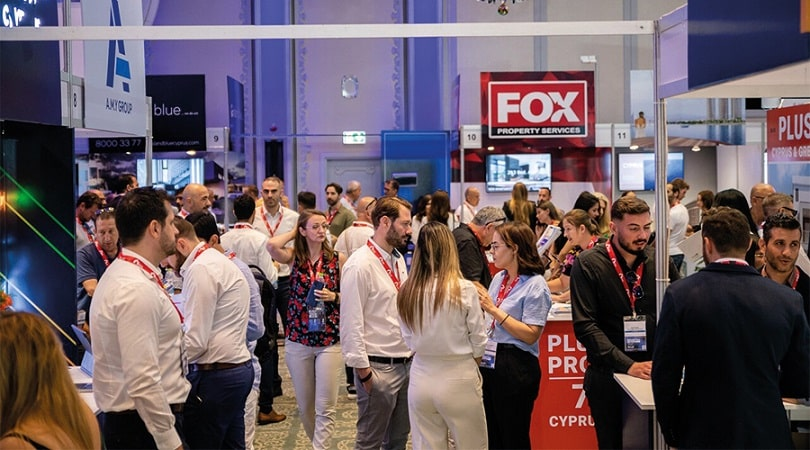
Exhibition staff represent the business during every visitor interaction at the booth. Staff members should understand the company’s projects, services and target markets before the conference begins. Developers can prepare staff to answer common project questions about locations, property types and development stages. Agents can prepare staff to discuss client requirements and available property categories. Strong preparation helps staff provide clear information during busy exhibition periods.
Staff members should also use concise introductions when visitors approach the booth. A short opening question can identify the visitor’s professional role and reason for attending the conference. Staff can then adjust the conversation according to whether the visitor represents an agency, development company, investment business or service provider. This approach prevents conversations from becoming unnecessarily broad or repetitive. Focused questions can also help staff identify potentially relevant contacts more quickly.
Exhibition teams should divide responsibilities before the event starts. One staff member can manage initial introductions while another can handle detailed project discussions. Another team member can record contact information and organise follow-up requirements during quieter periods. Clear responsibilities can prevent visitors from being ignored when the booth becomes busy. This organisation helps the business maintain consistent service throughout the conference.
Property Presentations Should Focus On Visitor Needs
Exhibitors create stronger conversations by presenting information according to visitor interests. Developers can explain project features that match a visitor’s stated property requirements. Agents can present services according to the needs of potential clients, partners or referral contacts. Investors can receive location information that relates directly to their property objectives. This visitor-focused approach creates more useful conversations than a standard presentation delivered to every person.
Businesses should avoid presenting every available property or service during an initial conversation. Staff can identify the visitor’s requirements before selecting the most relevant information. Developers can show specific projects after understanding preferred locations and property types. Agents can explain relevant services after learning about a potential client’s or partner’s needs. Selective information can make conversations easier to follow and more useful.
Staff members can also use questions to encourage meaningful professional discussions. They can ask visitors about their target markets, property interests or current business requirements. These questions provide useful context for choosing appropriate information and follow-up actions. Visitors can explain their needs without receiving irrelevant promotional material. This approach can turn a brief booth visit into a more productive professional conversation.
Digital Tools Can Strengthen Exhibition Booths
Exhibitors can use digital tools to provide visitors with additional property information during conferences. Touchscreens can display project galleries, location maps and detailed development information. QR codes can direct visitors towards company websites, project pages or professional contact forms. Digital presentations can provide information that would require excessive printed material. These tools can make detailed information easier to access without overcrowding the physical booth.
Digital lead collection can also improve follow-up after the event. Staff members can record visitor details alongside project interests and requested information. Companies can organise contacts according to developers, agents, investors, buyers and service providers. This information can help staff send more relevant follow-up messages after the conference. Businesses should handle personal information responsibly and follow applicable data protection requirements.
Technology should support professional conversations rather than distract visitors from staff members. Exhibitors can use screens and digital displays to attract attention before starting direct discussions. Staff can then explain relevant information and answer questions based on visitor requirements. Businesses should maintain alternative printed or verbal explanations for visitors who prefer direct communication. A balanced approach can combine digital convenience with personal professional interaction.
Follow-Up Turns Booth Visits Into Opportunities
Exhibitors should record useful information during conversations instead of relying on memory after the conference. Staff can note visitor interests, requested information and agreed follow-up actions immediately. Developers can record agents interested in specific projects or locations. Agents can record potential referral partners and property contacts according to their business needs. Detailed notes can help teams continue conversations without repeating basic questions.
Follow-up messages should reference the actual conversation from the exhibition. Companies can send project information when visitors request details about particular developments. Agents can share relevant services when contacts express specific client or partnership requirements. Businesses can avoid generic messages that fail to explain why the contact should continue the conversation. Personalised follow-up can make professional communication more relevant and easier to respond to.
Companies should also organise contacts according to priority and potential relevance. An active project enquiry may require faster communication than a general networking contact. A developer seeking agency partners may require a different follow-up approach from an investor seeking property information. Teams can schedule follow-up tasks according to the requirements discussed at the booth. This process helps businesses maintain relationships after the exhibition ends.
How To Create An Effective Conference Booth
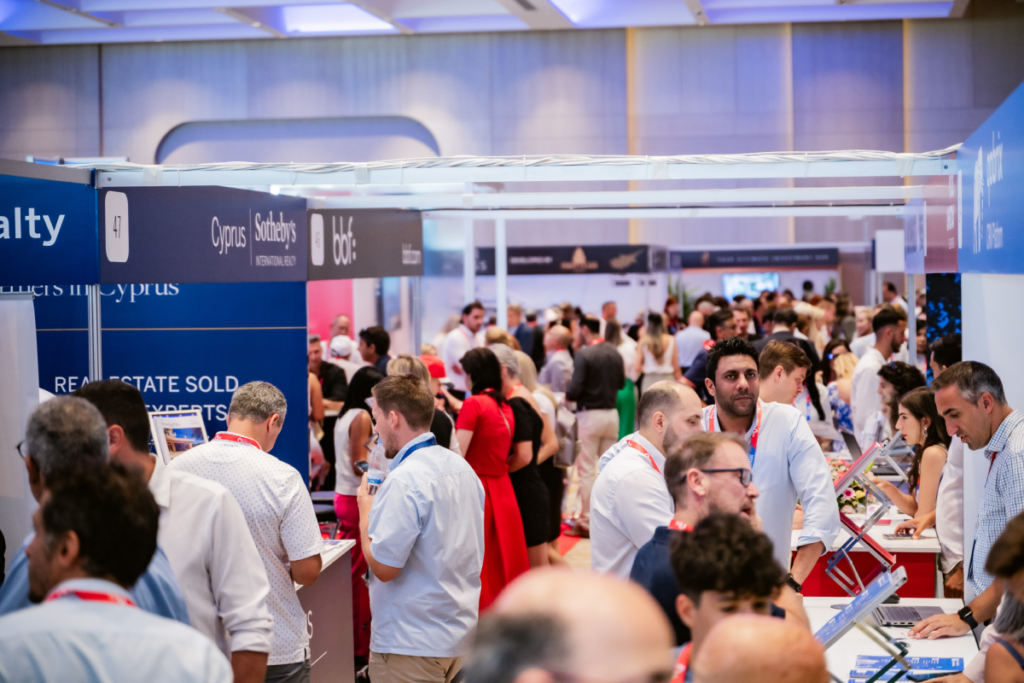
Businesses should define their exhibition objectives before developing a booth design. A developer may want to introduce a new project while an agency may want to build referral relationships. A property service provider may want to meet developers who require specialist support. Clear objectives can determine the booth message, staff preparation and information requirements. This planning helps businesses avoid creating displays that look attractive but lack a clear commercial purpose.
Exhibitors should combine strong presentations with useful visitor interaction throughout the event. Booths can use clear signage, relevant property visuals and accessible information to attract attention. Staff can then ask focused questions and provide information that matches visitor requirements. Businesses can record useful contacts and agree on specific follow-up actions before visitors leave. This process connects booth design with measurable professional activity.
Companies should review exhibition performance after completing their follow-up activities. Teams can examine visitor numbers, qualified contacts, project enquiries and new professional relationships. Developers can compare project interests across different visitor groups and locations. Agents can review referral opportunities and new business relationships created through the event. This evaluation can help companies improve their booth design, staffing and networking approach for future conferences.
FAQs About Real Estate Conference Booths
What is a booth real estate conference presence?
A booth real estate conference presence gives a property business a dedicated exhibition space at a professional event. Companies can use the space to present projects, services and business information to visitors.
What should a property conference booth include?
A property booth can include clear branding, project information, professional contact details and relevant visual materials. Digital displays can provide additional information when visitors require greater detail.
How can exhibitors attract more visitors?
Exhibitors can use clear messaging, strong project visuals and accessible booth layouts to attract relevant visitors. Staff members can then start conversations with concise introductions and focused questions.
Should Cyprus property booths target international visitors?
Businesses can provide location information and practical property details for international visitors when their target market includes overseas clients. Companies should qualify specialist legal, tax and financial information appropriately.
How should businesses follow up after a conference?
Businesses should record visitor interests and agreed actions during the event. Staff can then send relevant information and continue specific conversations soon after the conference.
Conclusion
Property businesses can create stronger exhibition results by combining clear booth design, prepared staff, relevant information and consistent follow-up. A booth real estate conference presence can help developers, agents and property companies attract visitors while creating valuable professional conversations. Cyprus exhibitors can strengthen their presence by using local market examples and presenting information that matches visitor requirements. Cyprus Property Week can provide useful opportunities for professionals seeking greater awareness of property events and industry activity. Businesses that connect exhibition presentation with focused networking can create a more effective presence and develop stronger opportunities beyond the conference.