
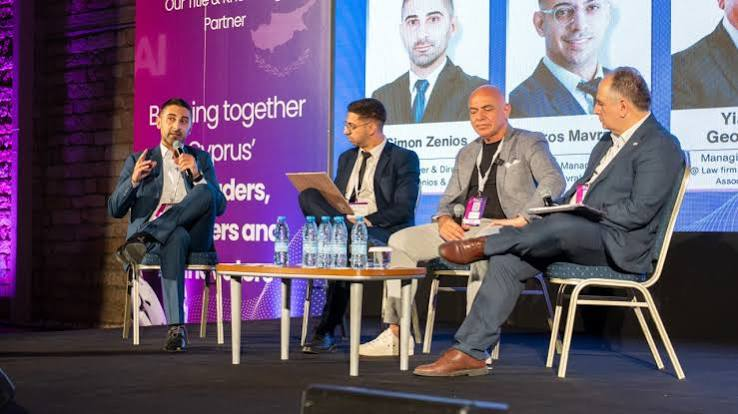
A blockchain real estate summit brings property professionals together to examine blockchain applications across transactions, ownership records, financing and property management. Developers, investors, agents and technology companies can use these events to understand digital tools before adopting them within property businesses. Cyprus provides a relevant setting for these discussions because the island combines an international property market with growing digitalisation across public and private services. The government has also identified digital transition and the modernisation of Land Registry procedures among its 2026 priorities. Property professionals can therefore examine blockchain alongside wider changes affecting property transactions, compliance and digital infrastructure.
Understanding Blockchain in the Cyprus Property Market
Blockchain records transactions through distributed digital ledgers that maintain information across connected systems. Property companies can use this technology to organise transaction records, verify information and improve data visibility across selected processes. Developers can examine blockchain applications before introducing new technology into project management systems. Agents can study digital records before explaining technology-related processes to property buyers.
Smart contracts provide another important blockchain application for property professionals. These digital agreements can execute defined actions after predetermined conditions receive confirmation. Developers can explore smart contracts for selected administrative processes and transaction stages. Lawyers can examine contract structures before connecting blockchain systems with existing legal procedures. Property professionals should treat smart contracts as technology tools rather than automatic replacements for established legal documentation.
Cyprus has already examined blockchain applications for public administration and property processes through national blockchain strategy work. Earlier government planning identified potential applications involving the Land Registry, property sale agreements and mortgage registration. Modern property professionals can therefore connect current blockchain discussions with earlier digitalisation efforts. A summit can provide a practical setting for examining how those concepts could interact with current property systems.
Why Property Professionals Should Study Blockchain
Developers manage large volumes of property information throughout planning, construction and sales processes. Blockchain systems can organise selected records through tamper-resistant digital structures. Development companies can examine these systems before deciding whether blockchain offers practical value for their operations. Technology specialists can demonstrate transaction models that connect property information with controlled digital records.
Agents manage buyer enquiries, property documents and transaction information across multiple parties. Blockchain applications can support clearer information management when companies design suitable systems around specific business requirements. Agents can study digital verification methods before discussing blockchain-enabled property services with clients. Buyers can ask more precise questions after understanding how digital records affect conventional property transactions.
Investors also need clearer information before assessing technology-related property opportunities. Blockchain can support tokenisation models, digital ownership representations and automated transaction processes in some markets. Investors should distinguish established property rights from digital representations before evaluating such models carefully. Professional advisers should also review legal, tax and financial implications before investors commit capital to technology-linked structures.
Blockchain Applications for Property Transactions
Property transactions involve buyers, sellers, agents, lawyers, banks, developers and public authorities. Blockchain platforms can connect selected records between authorised participants when suitable technical and legal frameworks exist. Property companies can explore these systems to reduce repetitive data handling across defined transaction stages. Legal professionals can examine blockchain records alongside existing contracts and statutory requirements.
Digital identity systems can also support property transaction processes through verified information. Buyers can provide identification through approved digital systems before authorised parties complete specific procedures. Agents can reduce repeated document requests when compatible systems share verified information securely. Developers can organise buyer documentation through integrated platforms that improve administrative efficiency.
Land records represent another important area for blockchain discussion. Cyprus continues to modernise Land Registry procedures and improve online processing as part of wider digital reforms. Technology providers can therefore examine blockchain alongside existing government digital systems rather than treating blockchain as an isolated solution. Property professionals should evaluate interoperability before selecting any blockchain platform for real-world transactions.
Blockchain and Property Ownership Records

Property ownership depends on accurate legal records rather than technology alone. Blockchain systems can provide an additional method for recording information, but authorised authorities and legal frameworks still determine recognised property rights. Buyers should verify ownership through official procedures before completing property purchases. Agents should direct clients towards qualified legal advice before clients rely on digital ownership records.
Digital records can also improve transparency across selected property information systems. Developers can record project milestones through structured digital platforms that provide controlled access to authorised participants. Investors can review documented information before assessing project progress and transaction history. Property managers can maintain selected records through systems that create clearer audit trails.
Cyprus property transactions also involve specific procedures for foreign buyers. Non-EU nationals generally require permission from the relevant District Administration before acquiring immovable property under the applicable legislation. Blockchain technology does not remove these legal requirements. International buyers should therefore treat digital property platforms as supporting tools while following Cyprus legal procedures through qualified professionals.
Blockchain, Tokenisation and Property Investment
Property tokenisation divides an economic interest or asset representation into digital units recorded through blockchain technology. Developers can investigate tokenisation models before designing investment structures for specific property projects. Investors can examine ownership rights, governance arrangements and exit conditions before considering tokenised property opportunities. Legal advisers can review the structure before companies market any investment product.
Tokenisation can also create new questions around liquidity, regulation and investor protection. Property companies should define the legal rights behind each digital token before promoting a project. Investors should examine whether a token represents ownership, an economic interest, debt or another contractual right. Technology providers should explain these distinctions clearly before users evaluate potential investments.
Cyprus operates within the European Union regulatory environment for digital assets and distributed ledger technology. CySEC provides information on the EU DLT Pilot Regime and the Markets in Crypto-Assets framework, while Cyprus authorities have continued developing related regulatory processes. Property businesses should therefore examine applicable financial and digital-asset rules before launching blockchain-based investment structures. Investors should obtain independent legal and financial advice before making decisions involving tokenised property.
What a Blockchain Real Estate Summit Can Teach
A blockchain real estate summit can bring developers, investors, lawyers, agents and technology specialists into the same professional discussion. Speakers can explain blockchain applications through property transaction examples and digital investment models. Attendees can compare technology approaches before selecting tools for their organisations. Property professionals can also question specialists about implementation costs, security requirements and regulatory considerations.
Networking provides another practical benefit for property professionals exploring blockchain. Developers can meet technology providers during dedicated industry sessions. Investors can discuss emerging property models with entrepreneurs and advisers. Agents can build professional relationships with companies developing digital transaction platforms. These conversations can help professionals understand practical applications beyond general blockchain theory.
Cyprus Property Week provides a broader property-industry setting for professionals interested in technology and market developments. Its 2026 programme includes sessions on artificial intelligence, technology, international investment, regulatory issues and the future of the Cyprus property market. Professionals can use these discussions to connect technology topics with wider property trends across Larnaca, Paphos and Limassol. Attendees can also use networking opportunities to identify companies and specialists working across property and technology.
Preparing for Blockchain Property Events in Cyprus
Professionals should define their objectives before attending a blockchain-focused property event. Developers can identify operational problems that digital systems might address before visiting conference sessions. Agents can prepare questions about client verification, document management and transaction processes. Investors can prepare questions about ownership structures, tokenisation and regulatory safeguards.
Attendees should also research participating speakers and companies before beginning professional conversations. Technology companies can provide information about blockchain platforms, digital identity systems and transaction infrastructure. Legal specialists can explain regulatory requirements surrounding property transactions and digital assets. Financial professionals can clarify investment structures, tax considerations and potential compliance obligations.
Professionals should record useful information throughout the event and review contacts afterwards. Property companies can compare technology providers against defined business requirements before starting implementation discussions. Investors can verify project information independently before considering any opportunity introduced at an event. Buyers can consult qualified property lawyers before relying on blockchain-related claims during a property transaction.
The Future of Blockchain and Property in Cyprus

Cyprus property companies will continue examining digital technologies as government services and private businesses expand their digital capabilities. Developers can evaluate blockchain alongside artificial intelligence, automation, digital identity and cloud-based systems. Agents can adopt technology according to client requirements and operational needs. Property managers can select digital tools that improve specific administrative processes without creating unnecessary complexity.
Blockchain adoption will also depend on regulation, interoperability and user confidence. Technology companies must demonstrate secure systems before property businesses entrust sensitive information to digital platforms. Lawyers must assess legal recognition before companies replace established processes with blockchain-based alternatives. Property professionals must evaluate practical outcomes before treating blockchain as a solution for every property challenge.
The most useful industry discussions will connect technology with actual property requirements. A blockchain real estate summit can help professionals examine transaction records, digital ownership, tokenisation and smart contracts through practical examples. Cyprus Property Week can also help property professionals explore wider market developments, technology discussions and professional connections across the island. Professionals can follow these developments carefully while using qualified legal, tax and financial advice for decisions involving regulated transactions or investment structures.
FAQs
What is a blockchain real estate summit?
A blockchain real estate summit brings property and technology professionals together to discuss blockchain applications. Speakers examine digital records, smart contracts, tokenisation and transaction technology during professional sessions.
Can blockchain replace the Cyprus Land Registry?
Blockchain cannot automatically replace Cyprus legal property registration procedures. Buyers should verify ownership through official Land Registry processes and qualified legal professionals before completing transactions.
Can blockchain improve property transactions?
Blockchain can improve selected information-management and verification processes when suitable systems support the transaction. Companies should evaluate security, interoperability, legal requirements and practical costs before implementation.
Can investors buy property through cryptocurrency in Cyprus?
Investors should not assume cryptocurrency automatically provides a recognised property purchase method. Buyers should follow applicable Cyprus property procedures and obtain professional legal and financial advice before using digital assets in a transaction.
Why should property professionals attend blockchain events?
Property professionals can learn about emerging technology, meet technology providers and examine practical applications during specialist events. Attendees can also compare digital solutions before adopting new systems within their businesses.
Conclusion
A blockchain real estate summit can help Cyprus property professionals understand the practical relationship between distributed ledger technology and real estate. Developers can examine transaction systems, agents can explore digital verification, investors can study tokenisation structures and lawyers can assess regulatory requirements. Cyprus can provide a useful environment for these discussions because its property market serves domestic and international participants while its public sector continues digital transformation.
Professionals can follow blockchain developments through relevant industry events, technology discussions and specialist advice while treating legal compliance and verified property rights as essential foundations. Cyprus Property Week provides an additional platform for property professionals who want to explore market developments, technology discussions and new industry connections across the island.